
Buy Augmentin Online: Best Prices and Fast Shipping
Buy Augmentin Online: Best Prices and Fast Shipping
Clinical Applications and Common Infections
When a doctor looks at a patient, they aren’t just checking temperatures; they are playing a high-stakes game of biological chess. Sometimes, a standard antibiotic simply hits a brick wall. This is where the strategic pairing of Amoxicillin and Clavulanate steps onto the battlefield to reclaim lost ground against stubborn, evolving pathogens.
The magic lies in the synergy between these two components. Amoxicillin acts as the heavy hitter, targeting the cell walls of bacteria to cause their eventual collapse. However, many bacteria have learned to build little “shields” called beta-lactamases. These enzymes act like a specialized security team, neutralizing the antibiotic before it can even strike.
Enter Clavulanate, the clever sidekick. It doesn’t kill bacteria directly, but it acts as a decoy, binding to those pesky enzymes and disabling them. By neutralizing the enemy’s defenses, Clavulanate ensures that the Amoxicillin can do its job without being intercepted. It is a classic case of “the enemy of my enemy is my friend.”
This combination is particularly effective against a broad spectrum of common bacterial culprits. Without this dual-action approach, many routine infections would become much harder, if not impossible, to treat effectively. It turns the tide in the ongoing war against microbial resistance, making it a cornerstone of modern clinical practice.
Common Scenarios in Clinical Practice
Think about a persistent sinus infection that refuses to budge despite a week of standard treatment. That’s a classic scenario where this combination shines. When bacteria in the maxillary or frontal sinuses develop resistance, a single-drug approach often falls flat, leaving the patient feeling like they are stuck in a fog.
Skin and soft tissue infections are another frequent battlefield. Whether it is a nasty scrape from gardening or a more serious cellulitis, the bacteria involved—often *Staphylococcus aureus*—can be quite crafty. Doctors frequently reach for this combination to ensure they are covering the bases and preventing the infection from spreading deeper into the tissue.
Pneumonia also presents a significant challenge in the hospital wards. When a patient presents with a deep, rattling cough and fever, clinicians must act decisively. Because respiratory bacteria can be incredibly resilient, using a combined therapy helps ensure that the infection is tackled from multiple angles right from the start of treatment.
To visualize the common uses, consider this breakdown of typical indications:
- Sinusitis: Acute bacterial infections of the paranasal sinuses.
- Otitis Media: Common middle ear infections, especially in children.
- Skin Infections: Cellulitis or infected bites and wounds.
- Lower Respiratory Tract: Community-acquired pneumonia and bronchitis.
Why Doctors Prefer the Combination
“Why not just use a stronger single antibiotic?” a patient might ask during a consultation. It is a fair question, but the answer lies in the nuance of pharmacology. Using a single, high-dose antibiotic can sometimes trigger even faster resistance, effectively training the bacteria to fight back more aggressively in the future.
By using this combination, physicians can achieve a broader spectrum of coverage without relying solely on the most potent, last-resort drugs. It is a more measured, tactical approach. This “one-two punch” provides a safety net, catching those resistant strains that would otherwise slip through the cracks of a standard penicillin-only regimen.
Furthermore, this approach is often more cost-effective for the healthcare system in the long run. While a single dose might cost a patient $20 in a pharmacy, a failed treatment that leads to hospitalization could cost thousands. It is about getting the job done right the first time to avoid a cascade of complications.
In the following table, we can see how this relates to typical clinical outcomes compared to single-agent therapy in certain resistant scenarios:
| Infection Type | Single Antibiotic Risk | Combination Benefit |
| Sinusitis (Resistant) | High failure rate | Significant clearance |
| Skin (Staph) | Potential for resistance | Broad-spectrum coverage |
| Pneumonia | Variable efficacy | Increased clinical success |
Standard Dosage Protocols and Administration
Adult Dosing and Timing
When it comes to adults, there isn’t a “one size fits all” button. A doctor might prescribe a standard dose of 500 mg of amoxicillin paired with 125 mg of clavulanate, taken every eight hours. For more stubborn infections, they might bump it up to 875 mg of amoxicillin every twelve hours. It is a precise dance of chemistry and timing.
Timing is the secret sauce for success. You should aim to take your doses at regular intervals to keep a steady level of the medicine in your bloodstream. If you miss a beat, the bacteria might find a window to regroup. Consistency acts like a constant pressure that keeps the microbial invaders on the defensive throughout the day.
You might wonder if a snack is necessary. Taking this medication with food can be a real lifesaver for your stomach. While you can take it on an empty stomach, many people find that a meal acts as a cushion. This little trick helps dampen the waves of nausea that sometimes ride along with the treatment.
Think of your stomach as a delicate ecosystem. Introducing a potent antibiotic is like a sudden storm in that environment. By eating a light meal before your dose, you are essentially providing a buffer. This simple habit can make the difference between a smooth recovery and a day spent battling digestive discomfort.
Pediatric Weight-Based Considerations
Treating children is a much more delicate operation. We cannot simply use adult measurements for a toddler. Instead, clinicians look at the child’s weight in kilograms to calculate the exact milligram dosage required. It is a math problem where precision is absolutely non-negotiable to ensure the child is protected without causing harm.
The dosage typically ranges from 20 to 45 mg/kg per day, split into multiple doses. For a heavy-hitting infection, a doctor might even go higher. It is vital that parents follow the specific milliliter or tablet instructions provided by the pediatrician. Guesswork in pediatric dosing is a recipe for disaster in a clinical setting.
Parents often feel like they are walking a tightrope when administering liquid suspensions. It is crucial to use a proper measuring syringe rather than a household kitchen spoon. Kitchen spoons are notoriously inaccurate and can lead to under-dosing. Accuracy ensures the little one gets exactly what the doctor ordered, nothing more and nothing less.
Always keep a close eye on how your child reacts to the medication. While the dosage is tailored to their weight, every body is unique. If you notice any unusual rashes or swelling, contact your healthcare provider immediately. Being proactive is the best way to navigate the ups and downs of pediatric antibiotic therapy.
The Importance of Completion
One of the biggest mistakes people make is stopping the medication once they start feeling better. It is a tempting trap. When the fever breaks, it feels like the battle is won. However, the most resilient bacteria might still be lurking in the shadows, waiting for the medicine to wear off.
If you abandon the course early, you are essentially giving the survivors a training manual. This is how antibiotic resistance begins its slow, dangerous climb. By finishing every single pill, you ensure that every last microbe is dealt with. You are not just treating an infection; you are preventing a much larger problem.
Think of it like weeding a garden. If you only pull the tops off the weeds, the roots remain. Soon, those roots will grow back, often stronger and harder to kill than before. Completing the full regimen is the only way to ensure the infection is truly uprooted and gone for good.
It can be a long haul, especially if you are looking at a ten-day course. Stay disciplined even when you feel like a champion. Your future self—and the community at large—will thank you for not contributing to the growing tide of superbugs that defy our strongest medicines.
Managing Common Side Effects
Not everyone has a walk in the park while taking this medication. Gastrointestinal upset is a common companion to many antibiotic treatments. Nausea, diarrhea, or a bit of stomach cramping can feel like a heavy price to pay for getting healthy again. It is a frustrating side effect to manage.
Probiotics might sound like a buzzword, but they can be a genuine ally here. Eating yogurt with active cultures or taking a dedicated probiotic can help replenish the good bacteria in your gut. It’s like sending in a reinforcement crew to restore balance to your digestive system after the antibiotic storm passes.
Hydration is another pillar of comfort. If you do experience diarrhea, you are losing fluids faster than you might realize. Sip on water, broth, or electrolyte drinks throughout the day. Staying hydrated helps your body process the medication and keeps your energy levels from bottoming out during the recovery process.
If the side effects become truly unbearable, do not just quit the pills. Call your doctor. They might suggest a different timing for your doses or a different way to take them. There is almost always a way to manage the discomfort without compromising the effectiveness of your vital treatment.
The following table compares the estimated out-of-pocket costs for different prescription fulfillment options in the United States:
| Pharmacy Service Type | Estimated Co-pay | Estimated Full Price | Typical Terms |
| Standard Retail Pharmacy | $15 | $45 | Immediate pickup available |
| Mail-Order Pharmacy | $5 | $25 | 7-10 day shipping required |
| Generic Manufacturer Direct | $0 | $12 | Requires specialist prescription |
| Emergency/Urgent Care Fill | $35 | $85 | Highest convenience fee |
Current Market Pricing and Cost Factors
Navigating the financial side of a prescription can feel like trying to solve a puzzle without the picture on the box. You walk into the pharmacy expecting a straightforward transaction, only to find that the price tag fluctuates like a volatile stock market. Understanding these shifts is vital for managing your healthcare budget effectively.
Prices for these antibiotics vary widely depending on the specific dosage you require. A standard 500/425 mg tablet might cost significantly less than a higher-strength version designed for severe infections. It is a common headache for patients who realize their prescription costs more than they initially anticipated during the doctor’s visit.
Retailers often bundle costs based on the strength of the medication. While a small bottle of pills might seem like a steal, the price per milligram often tells a different story. Always ask your pharmacist for a breakdown if you see a spike in your total due at the counter.
For those looking for the most economical route, the distinction between brand-name and generic versions is the most significant factor. Brand-name options are often much more expensive, functioning much like a designer label compared to a reliable store brand. They contain the same active ingredients but carry a premium price for the name.
Generics are the heavy lifters of the pharmaceutical world, providing the same therapeutic effect for a fraction of the cost. Switching to a generic version can save you a substantial amount of money, sometimes cutting your bill by half or more. It is a simple way to keep your wallet from feeling the sting.
Insurance coverage plays a massive role in what you actually pay out of pocket. A high-deductible plan might leave you footing the entire bill for a generic, while a premium plan might cover almost everything. Always check your formulary to see where your specific prescription falls on their list.
Variables Influencing Your Final Bill
Location, location, location is not just for real estate; it applies to your local pharmacy too. A boutique pharmacy in a high-traffic metropolitan area will often charge more than a local chain in a quiet suburb. It is a subtle nuance that can lead to significant differences in your total cost.
The quantity of medication you receive also shifts the needle on the total price. Buying a full thirty-day supply is usually more cost-effective per dose than picking up a small, five-day emergency supply. It is much like buying in bulk at a warehouse club to save on unit prices.
Pharmacy convenience often comes at a premium. If you find yourself needing a refill at an urgent care clinic on a Sunday evening, expect to pay a “convenience tax.” These facilities prioritize speed and accessibility, which inevitably reflects in the higher price you see on your receipt.
Consider these primary factors when comparing your options:
- Pharmacy Type: Large chains vs. independent local shops.
- Prescription Quantity: Small emergency fills vs. full course supplies.
- Geographic Area: Urban centers vs. rural locations.
- Insurance Tier: The specific tier your plan assigns to the drug.
Tablets Versus Oral Suspensions
When treating children, the choice between tablets and oral suspensions is often non-negotiable, but it carries a heavy price difference. Tablets are generally much cheaper to manufacture and ship, making them the go-to for most adults. They are stable, easy to store, and highly affordable.
Oral suspensions, or liquid versions, are a different beast entirely. These require more complex manufacturing processes to ensure the medication stays evenly mixed. Because of this specialized production, you will likely see a higher price per dose when compared to the solid pill form.
The logistics of liquid medicine also add up. Bottles of suspension are heavier and more fragile than a blister pack of pills. This increased handling and shipping complexity is one reason why your pharmacy might charge more for that liquid bottle than a simple container of tablets.
The following comparison highlights the estimated price differences you might encounter at the pharmacy counter:
| Medication Form | Typical Price Range | Cost Driver |
| Standard Tablets | $15 – $40 | High stability, low production cost |
| Oral Suspension | $35 – $95 | Complex formulation, liquid handling |
| Chewable Tablets | $25 – $60 | Specialized flavoring and texture |
Sourcing and Procurement Logistics
Getting your hands on a legitimate prescription is the first hurdle in the race. You cannot simply walk into a pharmacy and demand a bottle of Augmentin like you are ordering a cup of coffee. A licensed medical professional must evaluate your symptoms and determine that an antibiotic is truly necessary.
This process usually begins with a consultation, whether in person or via a telehealth visit. The doctor will weigh the benefits against potential side effects, such as stomach upset. Once they are convinced, they transmit an electronic prescription directly to your chosen pharmacy to ensure accuracy and speed.
Trying to bypass this step by seeking “no prescription required” sites is like walking into a minefield. Without a doctor’s oversight, you risk taking a medication that is entirely wrong for your specific infection. It is better to play it safe and follow the established medical channels.
Navigating the digital landscape requires a keen eye for detail. Many people assume that a professional-looking website is a guarantee of quality, but looks can be incredibly deceiving. You must treat online shopping with the same skepticism you would use when meeting a stranger in a dark alley.
First, look for the “VIPPS” seal or similar accreditation markers on the website’s footer. These certifications indicate that the pharmacy meets rigorous standards for safety and quality. If a site looks like it was built in the late nineties and lacks clear contact information, it is a red flag.
Avoid any vendor that offers “miracle cures” or suspiciously low prices that defy market logic. If a bottle of Augmentin is listed at $5 when the local pharmacy charges $30, you are likely looking at a counterfeit product. These cheap imitations often contain nothing more than chalk or dangerous fillers.
A legitimate digital pharmacy will always require a valid prescription from a licensed provider. If they are willing to ship medication based solely on a credit card number, close that browser tab immediately. They are playing with your health, and the consequences could be life-altering.
Once you have found a reputable vendor, you will need to decide how you want your medicine delivered. Most reputable online pharmacies use standard courier services like USPS, FedEx, or UPS. They prioritize discrete packaging to ensure your medical privacy remains intact during the transit process.
Shipping timelines can vary wildly depending on whether you are ordering domestic or international goods. Domestic orders typically arrive within 3 to 7 business days. International shipping might take several weeks and can sometimes get stuck in customs, causing unexpected delays in your treatment.
Always confirm the tracking number once your order has been processed. A reliable vendor will provide real-time updates so you aren’t left wondering if your pills are lost in the void. Knowing exactly where your package is can ease the anxiety of managing a sudden infection.
To ensure you are not falling victim to a digital scam, keep this checklist in your mental toolkit:
- Physical Address: Does the company list a real, verifiable street address?
- Pharmacist Contact: Can you speak to a real human being who is a licensed pharmacist?
- Payment Security: Do they accept standard, secure payment methods like major credit cards?
- Return Policy: Is there a clear, written policy for damaged or incorrect shipments?
Verifying the legitimacy of a pharmacy is like checking the credentials of a new contractor. You want to ensure they are licensed to operate in your specific state or region. Many state boards of pharmacy have online databases where you can search for a pharmacy’s license number.
If a pharmacy refuses to provide its license number or the name of the supervising pharmacist, walk away. They are likely operating in a legal gray area or are outright fraudulent. It is much better to pay a little more for peace of mind than to risk your safety.
You can also cross-reference the pharmacy with the National Association of Boards of Pharmacy. They provide resources to help consumers distinguish between legitimate online retailers and rogue operations. Taking these extra five minutes can save you from a very expensive and dangerous mistake.
Comparative Analysis of Antibiotic Alternatives
The Clavulanate Difference
Think of pure Amoxicillin as a skilled locksmith who can open most standard doors. It is highly effective against many common bacteria, but some microbes have learned to hide the “key” by using enzymes called beta-lactamases. These enzymes act like a shield, effectively neutralizing the Amoxicillin before it can even do its job.
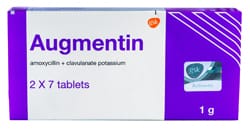
Augmentin changes the game by adding Clavulanate to the mix. If Amoxicillin is the locksmith, Clavulanate is the bodyguard who intercepts those pesky enzymes. By disabling the bacteria’s defense mechanism, Clavulanate allows the Amoxicillin to work its magic without being sabotaged along the way.
This combination makes Augmentin a much heavier hitter for stubborn infections. While a doctor might prescribe simple Amoxicillin for a mild throat irritation, they will likely reach for Augmentin when dealing with a more complex sinus infection. It is the difference between using a pocketknife and a full-sized Swiss Army knife.
Prices for these medications can fluctuate based on dosage and quantity. For instance, a standard course of Amoxicillin might run you around $15, whereas an equivalent course of Augmentin could climb to $45. This extra cost is essentially paying for that specialized “bodyguard” component included in the formula.
Efficacy and Resistance
The battle against penicillin-resistant strains is a constant arms race. Bacteria are incredibly clever, constantly evolving new ways to survive our medical interventions. When a strain of *Staphylococcus aureus* develops resistance, a standard dose of simple penicillin often falls flat like a lead balloon.
Augmentin shines when facing these more resilient organisms. Because it addresses the enzymatic resistance, it maintains high efficacy against several common penicillin-resistant bacteria. It is often the first line of defense when a physician suspects that the infection is playing hardball with standard antibiotics.
However, no antibiotic is a silver bullet for every single threat. There are certain “superbugs” that have developed entirely different survival strategies that neither Amoxicillin nor Clavulanate can touch. In those cases, doctors must pivot to even more advanced, specialized pharmaceutical heavyweights.
| Antibiotic Type | Primary Mechanism | Resistance Level |
| Amoxicillin | Cell Wall Inhibition | Moderate |
| Augmentin | Inhibition + Protection | High (against enzymes) |
When to Pivot to Cephalosporins
Sometimes, a doctor might decide that even Augmentin is not the right tool for the job. This often happens when a patient has a documented allergy to penicillin. Since Augmentin contains a penicillin derivative, it could trigger a dangerous reaction in highly sensitive individuals.
In these scenarios, Cephalosporins become the preferred alternative. They belong to a different chemical family, meaning they often bypass the specific allergic triggers associated with penicillins. They are like a backup generator; when the main power source fails, they keep the lights on.
Cephalosporins are categorized into “generations,” with newer generations offering broader coverage against a wider array of bacteria. A doctor will carefully weigh the risk of an allergic reaction against the specific type of bacteria they are fighting to make the best call.
Choosing between these options is never a guessing game for a healthcare provider. It is a calculated decision based on your medical history, the suspected location of the infection, and the current landscape of bacterial resistance in your local community.
Comparing Side Effect Profiles
Every medication comes with a potential list of uninvited guests, often in the form of side effects. Because Augmentin is a “heavy” drug, it is notorious for causing gastrointestinal upset. Nausea, diarrhea, and stomach cramps are common complaints as the drug works its way through your system.
Pure Amoxicillin is generally gentler on the stomach than the combination found in Augmentin. If you have a sensitive digestive system, the added Clavulanate might feel like a punch to the gut. This is why many doctors recommend taking Augmentin with food to buffer the impact.
Other broad-spectrum options, like Macrolides, offer a different side effect profile entirely. While they might be easier on the stomach, they can sometimes cause different issues, like heart rhythm concerns in very rare cases. It is a delicate balancing act of managing risks versus benefits.
Ultimately, the “best” antibiotic is the one that effectively kills the infection while causing the least amount of collateral damage to your body. Always keep your physician in the loop about how you are feeling during treatment to ensure the path to recovery remains smooth.
Safety Precautions and Contraindications
Identifying Allergic Red Flags
Before you even pop the first pill, you must be crystal clear about your medical history. If you have ever broken out in hives or felt your throat tighten after taking penicillin, stop right there. Augmentin contains amoxicillin, a penicillin derivative, which can trigger a life-threatening anaphylactic reaction in sensitive individuals.
It isn’t just about penicillin, though. There is a phenomenon known as “cross-reactivity” to keep on your radar. Some people who are allergic to penicillin might also react poorly to cephalosporins, a related class of antibiotics. It is like having an allergy to peanuts that sometimes extends to other tree nuts.
If you are unsure, don’t play Russian roulette with your health. A simple skin test or a thorough conversation with your doctor can prevent a medical emergency. It is better to spend $50 on an allergy consultation now than to face a crisis in an emergency room later.
Always keep a list of your known allergies on your phone or in your wallet. When a doctor reaches for the prescription pad, they need to know if the medication you are taking is a friend or a foe. Being proactive is the best way to navigate these pharmacological waters.
Navigating Drug Interactions
Medications rarely live in a vacuum; they often dance—sometimes clumsily—with other substances in your bloodstream. Augmentin can play havoc with how your body processes certain drugs. For instance, it may decrease the effectiveness of oral contraceptives, potentially leading to an unplanned pregnancy if you aren’t careful.
Watch out for blood thinners like warfarin. Augmentin can sometimes amplify the effects of these medications, making your blood a little too thin for comfort. This can increase your risk of bruising or bleeding, so keeping a close eye on your INR levels is vital during treatment.
Methotrexate is another one to watch. This medication, often used for autoimmune issues or certain cancers, can build up to toxic levels in your system if Augmentin is present. It is a delicate chemical balancing act that requires constant vigilance from both you and your healthcare provider.
Lastly, be mindful of how you take other supplements. Some vitamins and minerals can interfere with how your body absorbs the antibiotic. Always run your full list of supplements, including herbal teas and over-the-counter vitamins, by your pharmacist to ensure everything plays nicely together.
Renal Health and Dosage Adjustments
Your kidneys act as the body’s filtration system, working around the clock to clear out waste. Since Augmentin is processed primarily through the renal system, your kidney function plays a massive role in how much of the drug stays in your body. If your filters are sluggish, the drug can build up.
For patients with known renal impairment, a standard dose might be far too much. Doctors will often perform a “dosage adjustment” to ensure the medication is cleared efficiently without reaching toxic levels. It is a fine-tuning process, much like adjusting the flow of water in a delicate fountain.
If you have a history of kidney disease, your doctor might order blood tests to check your creatinine levels. This ensures the dosage is dialed in perfectly. Neglecting this step could lead to unnecessary side effects or even more serious complications as the drug accumulates in your system.
Do not attempt to “guess” your dose based on what worked for a friend. Everyone’s kidney function is unique, and what is a safe dose for one person might be a heavy burden for another. Always follow the specific titration instructions provided by your medical professional.
When to Seek Immediate Help
While most side effects are just a nuisance, some are signs of a real emergency. If you experience swelling of the face, lips, or tongue, or if you find it difficult to breathe, stop the medication and call emergency services immediately. This is not the time to “wait and see.”
Severe skin reactions are another major red flag. If you notice a widespread, blistering rash or peeling skin, seek medical attention right away. These can be symptoms of serious conditions like Stevens-Johnson Syndrome, which require urgent clinical intervention to prevent long-term damage.
Watch for signs of a Clostridioides difficile (C. diff) infection as well. If you experience intense abdominal pain, fever, or severe, watery diarrhea that won’t quit, contact your doctor. This is a significant disruption of your gut microbiome that needs professional management to resolve.
In short, listen to your body’s alarm bells. If something feels fundamentally wrong or “off” compared to your usual self, do not ignore it. It is better to be told it is nothing by a doctor than to ignore a sign of something potentially life-threatening.