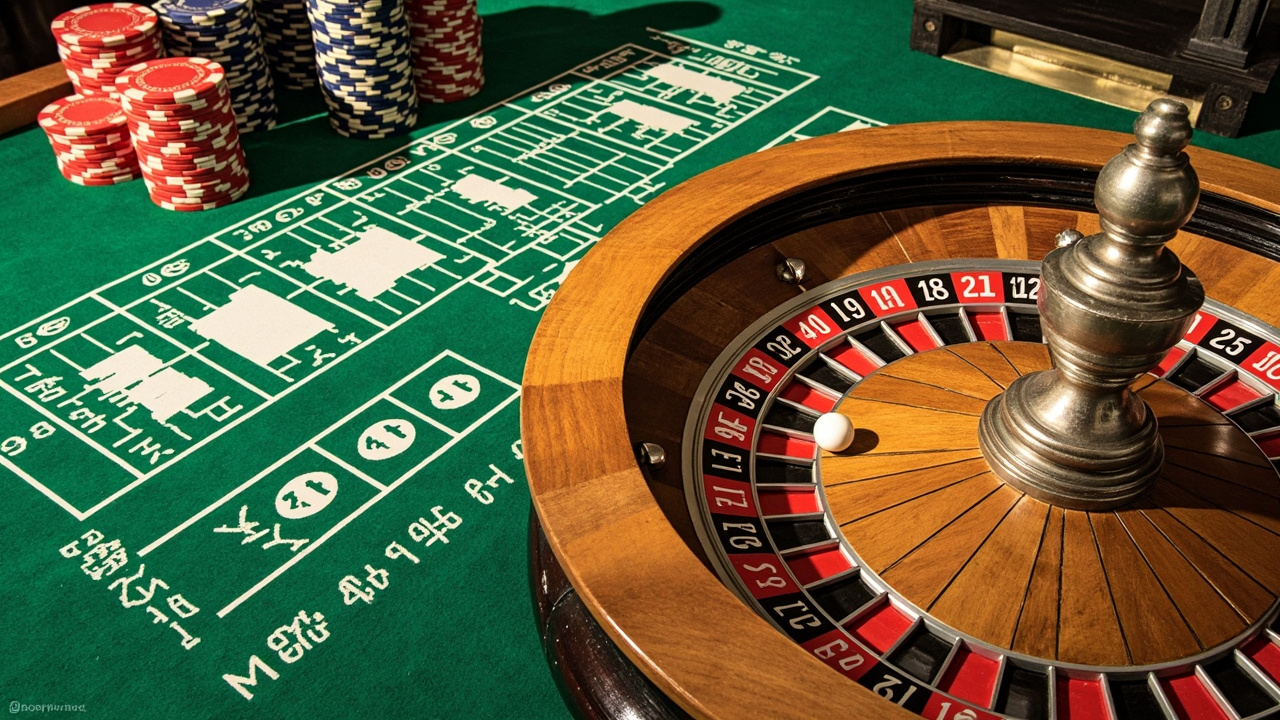
A Practical Start to European Roulette Strategy for Newcomers
Anyone beginning a European roulette strategy can compare more roulette variations on this site first, then focus on the single-zero wheel rather than treating roulette as a prediction puzzle. A workable system starts with three decisions: what to stake, how much, and when to stop. The approach below follows that practical route: choosing a suitable table, protecting a small bankroll, running a controlled first session, and judging progress by behaviour rather than a short winning or losing streak. The aim is a repeatable routine, not a promised edge.
Set the foundations for a European roulette strategy
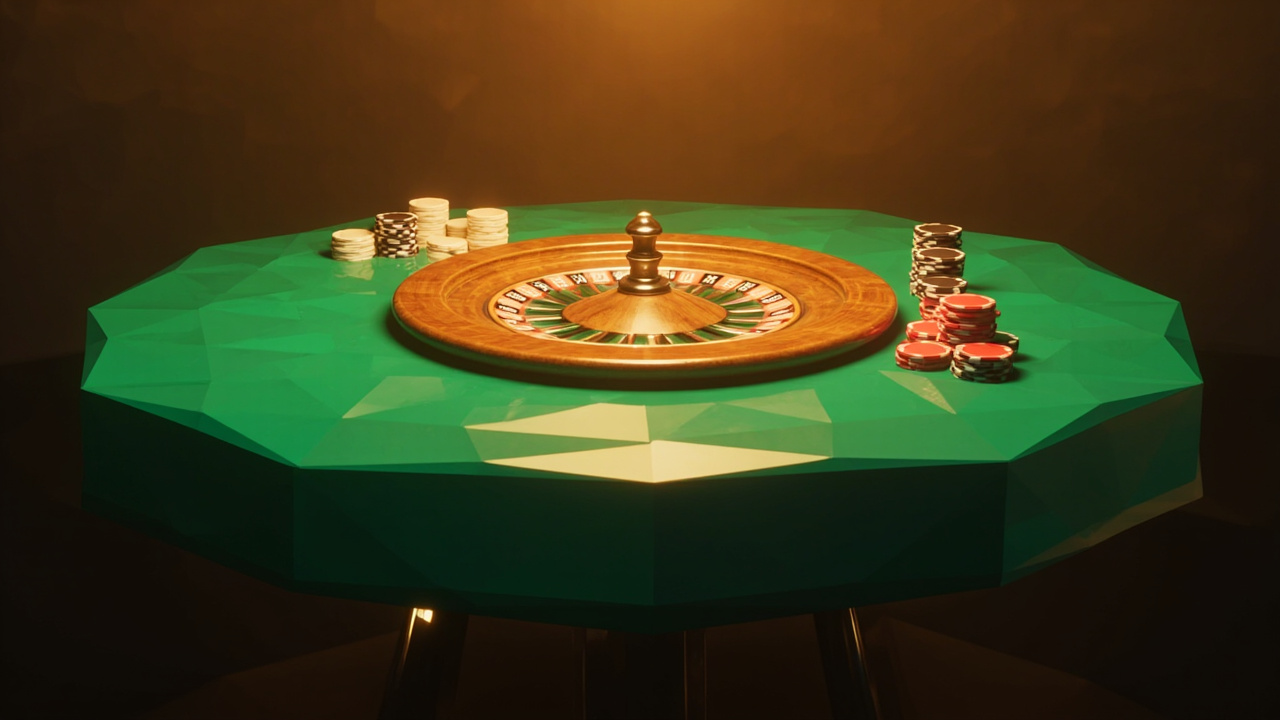
European roulette strategy begins before the first spin, because table rules determine both the odds and how a session should be run. Prefer a single-zero European wheel: it has 37 pockets and a standard house edge of 2.70% on ordinary bets. That figure is not reduced by choosing red, black, odd, even, a dozen, or a column. Rules such as en prison or la partage can improve the result of an eligible even-money bet, so check the posted rules or ask the dealer instead of assuming every table behaves identically.
Before entering, set a bankroll you can afford to lose and choose a fixed unit size. If your first session uses €20 and a unit is €1, the ceiling is 20 one-unit decisions. Choose a stake that meets the table minimum and fits your limit, record every spin, and leave the table when the balance reaches zero. This preserves the useful part of discipline while removing the temptation to chase.
Use this sequence as a setup checklist:
| Stage | Decision | Purpose |
|---|---|---|
| Wheel | Confirm single zero and table rules | Establish the odds |
| Bankroll | Set bankroll and time limits | Keep losses bounded |
| Stake | Use one flat unit | Simplify the record |
| Exit | Stop at the preset limit | Prevent impulsive play |
| Review | Log bets and rule breaks | Improve the next session |
Complete the checklist before joining a table. Note the table minimum, your starting balance, and the exact time your session ends. These small checks reduce avoidable errors and give every result a defined place in your records.
Run a controlled first European roulette session
Treat the first session as a test of execution, not of a hidden pattern. Start with one outside bet, such as red or black, and keep the stake flat for a fixed number of spins. A simple plan is easier to record, and each spin remains independent, so a longer sample can check your rules without pretending that a short run reveals a trend. If you are weighing wheel formats, the contrast in European versus American is useful because the extra zero on an American wheel changes expected loss and bankroll volatility.
Do not begin with Martingale, reverse Martingale, or doubling after losses. They do not remove the house edge; they only enlarge the next stake. Martingale can consume a modest bankroll in fewer than a dozen spins. Your first decision should be whether to play, then how long the session can last – not how quickly you can recover an earlier result.
Use three early checkpoints:

- Opening bet: place one recorded unit of your fixed stake.
- Mid-session: check the clock and remaining bankroll, but never increase because of a loss.
- Closing point: stop at the planned limit and write down the net result.
Afterward, separate process from profit. Meeting every limit makes the session disciplined even if the balance fell; breaking them is a process failure even if a final spin recovers the loss. Apply the same rule to wins: a lucky finish does not justify extending, doubling, or treating the result as proof that the method works.
Review early results before refining your European roulette strategy
Review two or three sessions with a simple worksheet. Record the table rules, unit, spin count, net result, whether you respected bankroll and time limits, and every deviation. This reveals what the wheel cannot supply by itself: whether you followed your plan. It also exposes costly patterns, such as doubling after losses or adding money because the balance felt low.
The first milestone is procedural: can you complete a fixed number of spins at one unit without changing the stake? The second is repeatability: do comparable sessions produce the same setup and exit decisions? These are execution tests, not proof of profit. Thirty outcomes, for example, can check your mechanics but cannot reliably estimate long-run return.
A practical European roulette strategy has three layers: a fixed unit, a maximum spin count or loss amount, and a stop triggered by either limit. Its strength is clarity: the next stake is known in advance, and a bad run cannot demand more unless you change the rules. The trade-off is that the 2.70% house edge remains, play takes time, and flat betting does not remove variance. For illustration, under standard rules, €100 in total stakes carries a €2.70 expected house win, although one session can differ substantially.
Adjust one variable at a time. A smaller unit improves affordability; a lower spin cap reduces exposure; changing colours does not change the edge. If notes reveal repeated limit-breaking or play that no longer feels recreational, stop or shorten sessions. Discipline is not a route to guaranteed profit; it keeps the experience bounded and recognisable.
A sensible European roulette strategy for a newcomer is less about finding a winning sequence than about building a setup that can be repeated: confirm the single-zero rules, choose a disposable bankroll, use a flat unit, and define the exit before the first spin. Judge early sessions by whether those decisions were followed. That discipline cannot remove the house edge, but it can prevent volatility, distraction, and chasing from turning a limited entertainment budget into an open-ended loss.